If you’ve ever stood next to a big rig rumbling down the highway or watched a construction loader hefting tons of concrete, you’ve probably thought: “That thing is way bigger than my pickup truck.” And when it comes to how it works under the hood? Spoiler alert—its clutch parts aren’t just a scaled-up version of what’s in your daily driver. As a clutch parts supplier who’s spent the last 12 years working with everything from semi-truck fleets to mining equipment, I get all the questions truck drivers, fleet managers, and even small business owners ask about heavy-duty vs. light-duty clutch systems. Let’s cut through the jargon and break down why heavy-duty vehicles don’t just need more clutch parts—they need totally special ones. Clutch Parts
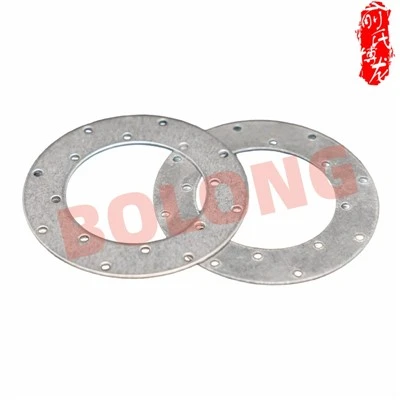
First off, let’s get one thing straight: light-duty cars and trucks are built for weekly commutes, quick highway merges, and occasional grocery runs. Their engines crank out 150 to 300 horsepower, max. Heavy-duty vehicles? Semi-trucks, garbage trucks, mining haulers, fire trucks—these are built to carry 80,000 pounds on a highway, tow 50 tons of equipment, or idling for 12 hours straight at a construction site. Their engines put out 400 to 600 horsepower, sometimes way more. That’s a whole different level of torque and stress, right? A regular car clutch that works fine for 100,000 miles would be toast in a heavy-duty rig in 30,000 miles if you’re lucky. Why? Because it’s not made to handle that constant, heavy load.
Let’s start with the core clutch components: the disc, pressure plate, release bearing, and flywheel. For light-duty parts, these are made with thin steel, friction materials that wear down fast under high heat, and pressure plates that can only stand so much force. Heavy-duty? They need beefed-up versions of every single one. The clutch disc, for example, in a passenger car has organic friction material—soft, grippy, great for smooth starts in a sedan. But in a semi-truck? Organic friction would burn out in minutes. Instead, we use ceramic or sintered metallic friction material. Sintered metal is exactly what it sounds like—metal particles heated and pressed together to be super tough, with high heat resistance and way higher torque capacity. That means it can handle the constant engagement and disengagement when a big rig is pulling a heavy load up a steep hill without turning to dust.
Then there’s the pressure plate. Light-duty pressure plates have a relatively low clamping force, since the engine doesn’t push that much torque. Heavy-duty pressure plates? They need way more clamping force—like, 2,000 to 5,000 pounds of force, vs. 1,000 or less for a car. That means thicker steel plates, heavier-duty springs (usually diaphragm springs, but reinforced, not the flimsy ones in passenger clutches), and better heat dissipation. If you tried to put a car pressure plate on a semi, it’d snap under the torque in a matter of weeks. Simple as that.
Flywheels are another big one. Passenger car flywheels are lightweight, designed to make the engine rev fast for city driving. Heavy-duty flywheels are way heavier—like 50 to 100 pounds more, sometimes. Why? Because heavy-duty vehicles need consistent torque at low RPMs, especially when towing. A heavier flywheel keeps the engine spinning smoothly even when you’re hauling a huge load at 1,000 RPM, so you don’t stall. A light flywheel would make the engine jump and stutter, causing extra wear on the whole clutch system.
But it’s not just about the size or thickness of parts—heavy-duty clutches have to handle way more stress from different driving conditions, too. A delivery van that makes 100 stops a day? That’s 100 clutch engagements, each time grinding a little bit of friction material off. A semi that’s pulling a trailer cross-country? Constant heat build-up from clutch engagement, especially when climbing mountains, or even just sitting in stop-and-go highway traffic in the summer. Light-duty clutches can handle heat up to maybe 300 degrees Fahrenheit. Heavy-duty ones have to work at 500 degrees and higher, no problem. That’s why we use different materials, better cooling systems built into the clutch assembly, and even special coatings on parts to prevent warping. Warping is a huge issue—if a light-duty clutch gets too hot, it bends, which makes the clutch slip, rumble, or even fail completely. Heavy-duty parts are designed to resist that warping, even under extreme heat.
Wait, also—let’s talk about usage. A lot of people think “heavy-duty” just means big, but it’s really about duty cycle. A school bus that runs 10 hours a day, every day, is heavy-duty. A garbage truck that stops every block, ramming its way through start-stop traffic, is heavy-duty. A mining hauler that goes up and down rough terrain with 100 tons of dirt is way heavier-duty than a pickup truck towing a camper on weekends. Each of these needs a clutch built for that specific job, not a one-size-fits-all. That’s why as a clutch supplier, I can’t just sell the same clutch to every customer. I have to ask: what’s the vehicle? How much does it tow or carry? What’s its daily duty cycle? Is it for highway use, construction, urban stops? All that matters for picking the right parts.
I’ve seen way too many fleet managers make the mistake of buying cheap light-duty parts for their heavy-duty vehicles to save a buck. Then they end up replacing the clutch every 15,000 miles, which ends up costing way more in labor and downtime than just buying the right parts. I had a customer a couple years back—small landscaping company with 5 dump trucks—who tried to save money by getting generic clutches for their trucks. Six months later, every single truck had a failed clutch, and they were out of commission for three weeks. They spent twice as much on repairs and lost jobs as they would have spent on the correct heavy-duty parts in the first place. That’s the mistake people make all the time—they don’t realize that heavy-duty clutch parts aren’t just scaled-up, they’re engineered differently for the stress they take on.
Another thing: heavy-duty clutch systems often use different technology, like dual-disc clutches. A lot of big rigs now have two clutch discs instead of one, which splits the torque between the two, so each disc has less stress, leading to longer life. Passenger cars almost never use dual-disc clutches because they don’t need that extra torque capacity. There’s also hydraulic vs. mechanical actuation, but even the hydraulic systems on heavy-duty trucks are built with thicker lines, higher pressure, and better seals, because they have to move way more force to engage the clutch than a car’s hydraulic system.
What about maintenance, too? Heavy-duty clutches have different maintenance needs than light-duty ones. For example, the release bearing in a semi has to handle way more cycles, so it needs to be lubricated with higher-quality grease, and replaced more often. The flywheel on a heavy-duty engine also has to be resurfaced correctly—you can’t just take it to a local machine shop that does passenger cars, because they’ll mill it too thin, making it warp under the high heat and pressure of a heavy-duty clutch. That’s why it’s important to work with a supplier who knows the ins and outs of heavy-duty clutch systems, not just light-duty ones.
Let’s get back to the original question: Do heavy-duty vehicles require special clutch parts? The short answer is a resounding yes. Not just special, but specifically engineered for the unique torque, stress, duty cycle, and operating conditions that these vehicles face. A light-duty clutch part might look similar on the shelf, but it’s made with cheaper materials, thinner components, and lower quality control that won’t hold up to the demands of heavy-duty use. As someone who’s been in this industry for years, I’ve seen firsthand the difference between using the right heavy-duty clutch parts and cutting corners with generic ones. The right parts mean less downtime, lower long-term costs, and safer operation for drivers—all things that matter a lot when your business depends on your fleet being on the road.
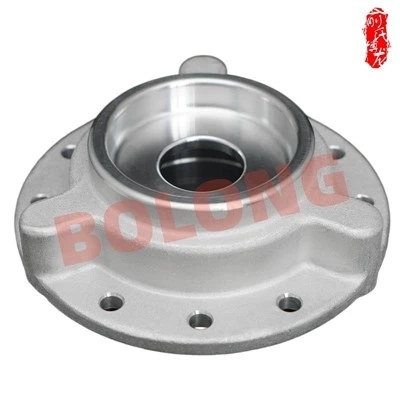
If you’re a fleet manager, owner-operator, or anyone who works with heavy-duty vehicles, don’t guess when it comes to clutch parts. Even if you think you can save money with a cheaper alternative, you’ll pay for it in the long run. I’ve helped dozens of companies figure out exactly what clutch parts their vehicles need, based on their specific use case, to keep their rigs running smoothly. If you have questions about clutch parts for your heavy-duty vehicle, or you want to find out which parts are right for your fleet, reach out to chat with me and my team. We don’t do generic sales—we work with you to get the parts that actually fit your needs.
Auto Air Suspension Parts References:
- Automotive Parts Manufacturers Association. (2022). Heavy-Duty Clutch System Engineering and Performance Standards.
- Society of Automotive Engineers (SAE). (2021). Torque Capacity Requirements for Commercial Vehicle Clutches.
- Heavy Duty Trucking Magazine. (2023). Common Clutch Failures and Solutions in Heavy-Duty Fleets.
Ningbo Fenghua Bolong Machinery Manufacturing Co., Ltd.
Ningbo Fenghua Bolong Machinery Manufacturing Co., Ltd. is one of the most professional clutch parts manufacturers and suppliers in China, also supports high quality customized service. With abundant experience, we warmly welcome you to buy durable clutch parts made in China here from our factory.
Address: No. 27 Hehai Road, Binhai New Area, Fenghua Economic Development Zone, Ningbo City, Zhejiang Province
E-mail: seven@nbbolongmachinery.com
WebSite: https://www.nbbolongmachinery.com/
