Hey everyone, quick question for you—if you’ve ever stared up at a plane soaring 35,000 feet above the clouds, you’ve probably thought, “How does that big metal bird stay intact up there?” Well, as a sealant supplier who’s been in the game for over a decade, I get asked this all the time: Can sealant even be used on an airplane? And let me tell you, the short answer is a resounding YES—but it’s way more complicated than just slapping a tube of caulk on a crack in your bathroom tile. Today, I’m breaking down exactly how aerospace sealants work, why planes can’t function without them, and why they’re non-negotiable for every flight you take. Sealant
First off, let’s clear the air (pun totally intended) about what we’re actually talking about here. Regular sealants—think the stuff you use to fix a leaky window or seal a bathtub—are garbage for planes. Up at cruising altitude, the conditions are brutal: temps swing from -60°F to 50°F, air pressure is way lower than ground level, there’s tons of vibration from engines and turbulence, not to mention constant exposure to jet fuel, hydraulic fluid, and even salt spray if the plane’s flying over oceans. Aerospace sealants are engineered specifically to survive all that chaos—they’re not your run-of-the-mill hardware store stuff.
I’ve had so many new clients come to me like, “Can’t we just use the same sealant we use on our factory trucks?” Uh, no. Let’s run through the basics real quick. Planes have tons of seams, right? Where two metal panels meet, where the wing attaches to the fuselage, around windows and doors, even inside the fuel tanks. If those seams aren’t sealed, two big problems happen: first, air leaks out, which kills fuel efficiency and makes the cabin pressure wonky (and nobody wants a ear-popping flight because of that). Second, water can seep in, which freezes at high altitude and expands—enough to crack metal panels or break rivets. That’s a no-go for obvious reasons.
Let’s get into the science a little, but keep it casual. Aerospace sealants are usually silicone, polyurethane, or polysulfide—each for a specific job. Silicone is great for flexibility, so it’s perfect for areas that move a lot, like around engine nacelles or where the wing bends during flight. Polyurethane is tough as nails, so it works for external seams that take a beating from debris and weather. Polysulfide? That’s the fuel tank sealant—super resistant to jet fuel, so it keeps those tanks leak-proof no matter what. These aren’t just mixed in a garage; they go through years of testing to meet FAA standards. Every single batch has to pass rigorous tests for temperature resistance, vibration endurance, chemical exposure, and even how well they stick to aluminum, titanium, or composite materials that planes are made of.
Wait, let me tell you a quick story to drive this home. A few years back, we worked with a regional airline that was having issues with tiny leaks around their window seams. They were using a cheap, off-the-shelf silicone sealant because it was cheaper, and they thought it’d do the job. Within six months, they had three planes with minor cabin pressure issues—nothing catastrophic, but enough to ground them for inspections and cost them thousands in reroutes. They switched to our FAA-approved aerospace silicone sealant, and haven’t had a problem since. That’s the kind of stuff you don’t cut corners on in aviation.
Another big use for aerospace sealants is corrosion control. Planes are made mostly of aluminum, which corrodes when it gets wet and exposed to oxygen. Sealants act as a barrier between the metal and all that moisture, fuel, and chemicals. Even tiny gaps between rivets can let water get in, leading to hidden corrosion that can weaken the plane’s structure over time. I’ve seen old planes that still look good on the outside, but have rusted rivets under a sealant that failed because someone used the wrong product. That’s why strict guidelines exist—mechanics have to follow exact specs for where to apply sealant, what type to use, and how thick it needs to be. It’s not a “do it whenever” job.
Now, you might be wondering: when do they apply this stuff? It’s not just during manufacturing. Planes go through routine maintenance every few months, and every few years they get a full strip and re-seal. That’s called a “airframe sealant overhaul,” and it’s a huge deal. Mechanics have to sand down old sealant, clean every seam thoroughly (any dirt or oil left under new sealant will make it fail), and then apply the new stuff in precise beads. I can’t tell you how many times I’ve sent a technician out to a maintenance hangar, and they come back complaining that applying sealant to 100+ feet of wing seams is tedious, but they know it’s non-negotiable. Even small business jets, the ones you see flying around private airports, use the same type of sealants as commercial airliners—just on a smaller scale.
Let’s also talk about the future. The aerospace industry is always moving towards more sustainable materials, and sealants are no exception. We’ve been working on bio-based sealants that use less harmful chemicals, to cut down on volatile organic compounds (VOCs) that are bad for the environment and for mechanics applying them. We also have sealants that are self-healing—if a tiny crack forms, the sealant flows back to close it up without needing a reapplication. That’s a game-changer for long-haul flights, where maintenance access is limited.
But here’s the thing: even with all this tech, the biggest mistake people make is treating aerospace sealants like a commodity. It’s not about buying the cheapest tube at the store. It’s about knowing exactly what the plane needs, following the rules, and working with a supplier who actually knows their stuff when it comes to aviation standards. That’s where we come in. We don’t just sell sealants—we have a team of experts who’ll walk you through what type you need for every part of your fleet, whether it’s commercial jets, private planes, or even cargo planes. We handle all the testing, all the FAA certifications, so you don’t have to worry about cutting corners that could put your planes or your passengers at risk.
I get it, if you’re in the aviation industry, you’ve got a million things to worry about—fuel costs, pilot schedules, maintenance delays. Adding sealant to the list might seem like a small detail, but trust me, it’s one that can’t be overlooked. A bad seal can lead to so many problems, from minor inconveniences to serious safety issues. We’ve seen it, we’ve fixed it, and we’re here to make sure you don’t have to deal with it.
Whether you’re a maintenance manager at a regional airline, a private jet owner, or a part of a fleet that needs consistent, reliable sealant for every part of your planes, we can help. We work closely with our clients to understand their specific needs, provide the right products, and offer support every step of the way. No overpromising, no nonsense, just high-quality aerospace sealants that meet all the industry standards.
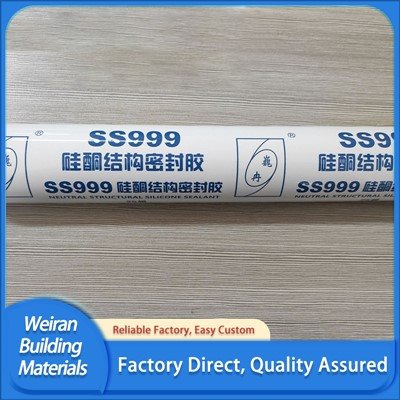
If you’re tired of dealing with sealant suppliers who don’t get aviation, or if you’re having issues with leaks, corrosion, or sealant failures, reach out to us. We can walk you through your options, answer any questions you have, and help you get set up with a sealant solution that works for your fleet. Because when it comes to planes, the last thing you want is something small like a bad seal turning into a big, expensive problem.
EPDM References
- Federal Aviation Administration. (2021). Aerospace Sealant Specification Standards. FAA Aviation Maintenance Technical Manual.
- Society of Automotive Engineers. (2022). Aerospace Sealant Performance Requirements and Testing Protocols. SAE International Aerospace Materials Guide.
- Aerospace Industries Association. (2020). Corrosion Control in Commercial Aircraft: Sealant Applications and Best Practices. AIA Maintenance Advisory Report.
- International Organization for Standardization. (2021). ISO 10101: Aerospace – Sealants for Airframe Structure. ISO Standards for Aircraft Components.
- National Center for Biotechnology Information. (2019). Polymer-Based Sealants for Aerospace Applications: Material Science and Durability. Journal of Aerospace Engineering.
Shandong Weiran Building Materials Co., Ltd.
Shandong Weiran Building Materials Co., Ltd. is one of the most experienced sealant manufacturers and suppliers in China, also supports customized service with low price. Welcome to buy bulk high quality sealant in stock here from our factory. Contact us for quotation.
Address: No.1, Street-front Shop, Jia 19, No.137 East Xingyuan Road, Zhangdian District, Zibo City, Shandong Province, China
E-mail: qinjuan@sdwrjc.com
WebSite: https://www.sdwrjc.com/
