As a supplier of slitting machines, I often encounter inquiries from customers about the versatility of our equipment. One of the most common questions is whether a slitting machine can be used for both thin and thick materials. In this blog post, I will delve into this topic, exploring the technical capabilities, considerations, and limitations of slitting machines when dealing with materials of varying thicknesses. Slitting Machine
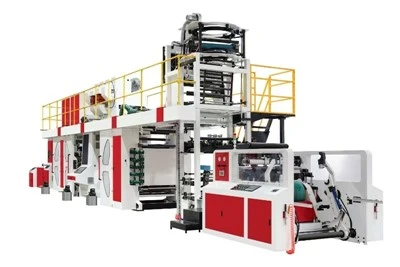
Technical Capabilities of Slitting Machines
Slitting machines are designed to cut large rolls of material into narrower strips with precision. These machines employ various cutting methods, including shear slitting, razor slitting, and score slitting, each suited to different types of materials and thicknesses.
Shear Slitting
Shear slitting is a widely used method that involves two rotating circular blades that cut the material by shearing action. This method is suitable for a wide range of materials, from thin films to thick metal sheets. The key advantage of shear slitting is its ability to produce clean, burr-free edges, making it ideal for applications where edge quality is critical.
For thin materials, such as plastic films and paper, shear slitting can be performed at high speeds with minimal blade wear. The blades are typically made of high-speed steel or carbide, which provides excellent cutting performance and durability. As the thickness of the material increases, the cutting speed may need to be adjusted to ensure a clean cut and prevent blade damage.
Razor Slitting
Razor slitting uses a single, sharp blade to cut through the material. This method is commonly used for thin, soft materials, such as paper, film, and non-woven fabrics. Razor slitting is known for its high precision and ability to produce narrow strips with minimal waste.
However, razor slitting is not suitable for thick or hard materials, as the blade may not be able to penetrate the material effectively or may become damaged quickly. The blade life in razor slitting is also relatively short compared to shear slitting, especially when cutting abrasive materials.
Score Slitting
Score slitting involves making a shallow cut or score on the surface of the material, which is then separated by tension. This method is commonly used for flexible materials, such as cardboard, paperboard, and some plastics. Score slitting is a less aggressive cutting method compared to shear slitting and razor slitting, making it suitable for materials that are prone to tearing or delamination.
Score slitting can be used for both thin and thick materials, but the depth of the score needs to be carefully controlled to ensure a clean separation without damaging the material. The cutting speed and pressure also need to be adjusted based on the thickness and properties of the material.
Considerations When Slitting Thin and Thick Materials
While slitting machines are capable of handling materials of different thicknesses, there are several factors that need to be considered to ensure optimal performance and quality.
Material Properties
The properties of the material, such as hardness, elasticity, and abrasiveness, can have a significant impact on the slitting process. Hard and abrasive materials, such as metal and fiberglass, require more robust cutting tools and higher cutting forces compared to soft and flexible materials, such as paper and plastic.
Elastic materials, such as rubber and some plastics, may require special handling to prevent stretching or deformation during the slitting process. The cutting speed and tension need to be carefully controlled to ensure a precise cut and maintain the integrity of the material.
Machine Design and Configuration
The design and configuration of the slitting machine also play a crucial role in its ability to handle thin and thick materials. Machines that are designed for high-speed slitting of thin materials may not be suitable for cutting thick materials, as they may not have the necessary power and rigidity.
Conversely, machines that are designed for heavy-duty slitting of thick materials may not be able to achieve the required precision and speed when cutting thin materials. It is important to choose a slitting machine that is specifically designed for the materials and thicknesses you will be working with.
Blade Selection and Maintenance
The selection of the appropriate cutting blades is essential for achieving high-quality slits. Different blade materials and geometries are suitable for different types of materials and thicknesses. For example, carbide blades are often used for cutting hard and abrasive materials, while high-speed steel blades are more commonly used for cutting softer materials.
Regular blade maintenance is also crucial to ensure optimal cutting performance and extend the blade life. This includes sharpening the blades regularly, cleaning the blade holders, and replacing worn or damaged blades.
Limitations of Slitting Machines
While slitting machines are highly versatile and can handle a wide range of materials and thicknesses, there are some limitations to their capabilities.
Maximum Thickness
Most slitting machines have a maximum thickness limit that they can handle. This limit is determined by the design and power of the machine, as well as the cutting method and blade type. Exceeding the maximum thickness limit can result in poor cutting quality, blade damage, and even machine failure.
Minimum Thickness
Similarly, there is a minimum thickness limit for slitting machines. Extremely thin materials may be difficult to handle and cut accurately, as they may be prone to tearing or wrinkling. Specialized equipment and techniques may be required to slit very thin materials.
Material Width
The width of the material can also affect the performance of the slitting machine. Some machines may have a limited width capacity, which means that they can only handle materials up to a certain width. If you need to slit wider materials, you may need to consider a machine with a larger width capacity.
Conclusion
In conclusion, a slitting machine can be used for both thin and thick materials, but it is important to choose the right machine and cutting method based on the specific requirements of your application. Consider the material properties, machine design, blade selection, and maintenance to ensure optimal performance and quality.
While there are some limitations to the capabilities of slitting machines, modern technology has made it possible to achieve high precision and efficiency when slitting materials of varying thicknesses. By working with a reputable slitting machine supplier, you can get the expert advice and support you need to select the best machine for your needs.
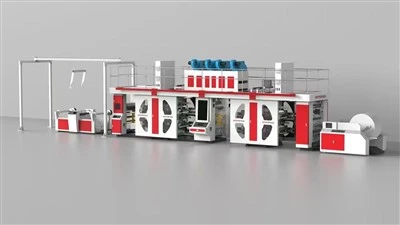
Flexo Printing Machine If you are interested in learning more about our slitting machines or have any questions about slitting thin and thick materials, please feel free to contact us. We are always happy to help you find the right solution for your slitting needs.
References
- "Slitting Machine Handbook," published by the Slitting Machine Manufacturers Association.
- "Cutting Technology for Flexible Materials," by John Doe, a leading expert in the field of slitting and cutting.
- Technical specifications and user manuals provided by slitting machine manufacturers.
Wenzhou Haidobao Machinery Technology Co., Ltd.
As one of the most professional slitting machine manufacturers in China, we have world-leading production equipment and strong manufacturing capabilities. Please rest assured to wholesale durable slitting machine for sale here from our factory. All customized machines are with high quality and competitive price.
Address: No. 116, Xinglong Road, Wanquan Town, Pingyang County
E-mail: 214949666@qq.com
WebSite: https://www.hdbmachinery.com/
